

According to Reuters on January 21, U.S. President Donald Trump has invited dozens of heads of state and national leaders to participate in an initiative called the “Board of Peace,” aimed at promoting peace and resolving global conflicts. However, the move has sparked significant debate within the international diplomatic community, particularly regarding its relationship with the United Nations.
While several countries have agreed to participate, many of America’s traditional allies have shown caution or declined, expressing concern that the initiative could undermine existing multilateral mechanisms.
What is the Board of Peace?
The idea of the Board of Peace was first proposed by President Trump in September last year when he unveiled a plan to end the conflict in Gaza. Since then, the scope of the initiative has expanded beyond Gaza to address other conflicts worldwide.
According to a draft charter of the Board of Peace reviewed by Reuters:
-
President Trump would serve as the first chair of the council
-
The Board’s mandate is to promote peace and engage in the resolution of international conflicts
-
Member states would serve three-year terms, unless they contribute USD 1 billion to become permanent members
-
The chair would hold broad executive powers, including veto authority and the ability to remove members in certain cases
The White House stated that the founding executive committee includes U.S. Secretary of State Marco Rubio, special envoy Steve Witkoff, former UK Prime Minister Tony Blair, and Jared Kushner.
Countries that have agreed to participate
A senior White House official said that approximately 35 of the more than 50 invited countries have agreed to join the Board of Peace.
These include:
-
U.S. Middle East allies such as Israel, Saudi Arabia, the UAE, Bahrain, Jordan, Qatar, and Egypt
-
NATO members such as Turkey and Hungary
-
Other countries including Morocco, Pakistan, Indonesia, Kosovo, Uzbekistan, Kazakhstan, Paraguay, and Vietnam
Vietnam’s inclusion is particularly noteworthy, indicating that it is regarded as a constructive partner in emerging multilateral diplomatic initiatives promoted by the United States.
In addition, Armenia and Azerbaijan—long-time rivals—have also joined following a U.S.-brokered peace agreement reached last year.
Countries that declined or have not committed
In contrast, several close U.S. allies have responded cautiously. Norway and Sweden have declined to participate. France is also reportedly unwilling to join, while Canada has agreed only “in principle.”
Countries such as Germany, the United Kingdom, and Japan have not yet taken a clear position. Ukraine said it is considering the invitation, but President Volodymyr Zelenskiy expressed difficulty in joining any mechanism that includes Russia.
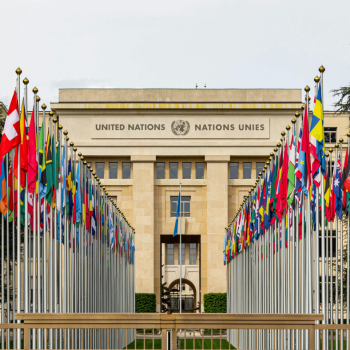
Russia and China—both permanent members of the UN Security Council with veto power—have not confirmed participation and are believed to be cautious about initiatives that could affect their roles within the UN.
How much power does the Board of Peace actually have?
In November, the UN Security Council adopted a resolution allowing the Board of Peace to operate until 2027, but only in relation to Gaza. Under the resolution, the Board is authorized to:
-
Coordinate Gaza’s reconstruction
-
Deploy a temporary international stabilization force
-
Report progress to the Security Council every six months
Beyond Gaza, however, the Board’s legal authority remains unclear. Diplomats warn that the initiative may run parallel to—or overlap with—existing UN mechanisms, raising questions about its legality and long-term effectiveness.
Analytical perspective
The Board of Peace clearly reflects President Trump’s personal diplomatic approach: emphasizing direct U.S. leadership, reducing reliance on traditional multilateral institutions, while avoiding an explicit declaration of replacing the United Nations.
The participation of many countries—including Vietnam—suggests the initiative is not isolated. However, the caution shown by European allies and the silence from Russia and China highlight the growing polarization within the global diplomatic order.
In this context, the Board of Peace is likely to remain a subject of controversy—not only regarding its practical effectiveness in conflict resolution, but also concerning the evolving role of the United States in shaping international peace mechanisms.