

Published: December 16, 2025
On December 16, the White House announced that President Donald Trump signed an executive order expanding and strengthening U.S. travel restrictions on nationals from certain countries, citing national security and public safety concerns.
Under the new order, the United States will impose a full travel ban on citizens from Laos and Sierra Leone, which were previously subject to partial restrictions. In addition, seven other countries and territories have been added to the ban list, including Burkina Faso, Mali, Niger, South Sudan, Syria, and individuals traveling with documents issued by the Palestinian Authority.
The expanded restrictions are scheduled to take effect on January 1, 2026.
The U.S. government will also apply partial travel restrictions on nationals from 15 countries, including Angola, Antigua and Barbuda, Benin, Dominica, Gabon, Gambia, Côte d’Ivoire, Malawi, Mauritania, Nigeria, Senegal, Tanzania, Tonga, Zambia, and Zimbabwe.
According to the White House, these restrictions do not apply to lawful permanent residents, individuals holding valid U.S. visas, and certain visa categories such as diplomats and athletes.
TGA’s Perspective
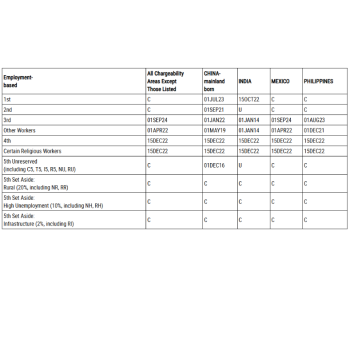
According to Total Global Agency (TGA), Vietnam is not affected by the newly announced travel restrictions. Employment-based immigration programs such as EB-3 remain unchanged at this time.
However, these developments indicate that U.S. immigration policies continue to emphasize security screening, transparency, and legal compliance. Individuals seeking U.S. immigration are advised to follow lawful pathways and work with experienced immigration professionals.
TGA will continue to monitor and provide updates on U.S. immigration policies relevant to Vietnamese applicants.