

Vietnam's Manufacturing Industry: Investment Opportunities and Growth Potential
Vietnam is increasingly asserting itself as a rising manufacturing hub in Asia, thanks to a stable business environment, competitive labor costs, and an expanding network of free trade agreements (FTAs). The country’s manufacturing industry is not only growing rapidly but also transforming toward modernization and high technology, creating attractive opportunities for both domestic and international investors.
Rapid Growth Driven by FDI and Labor Advantages
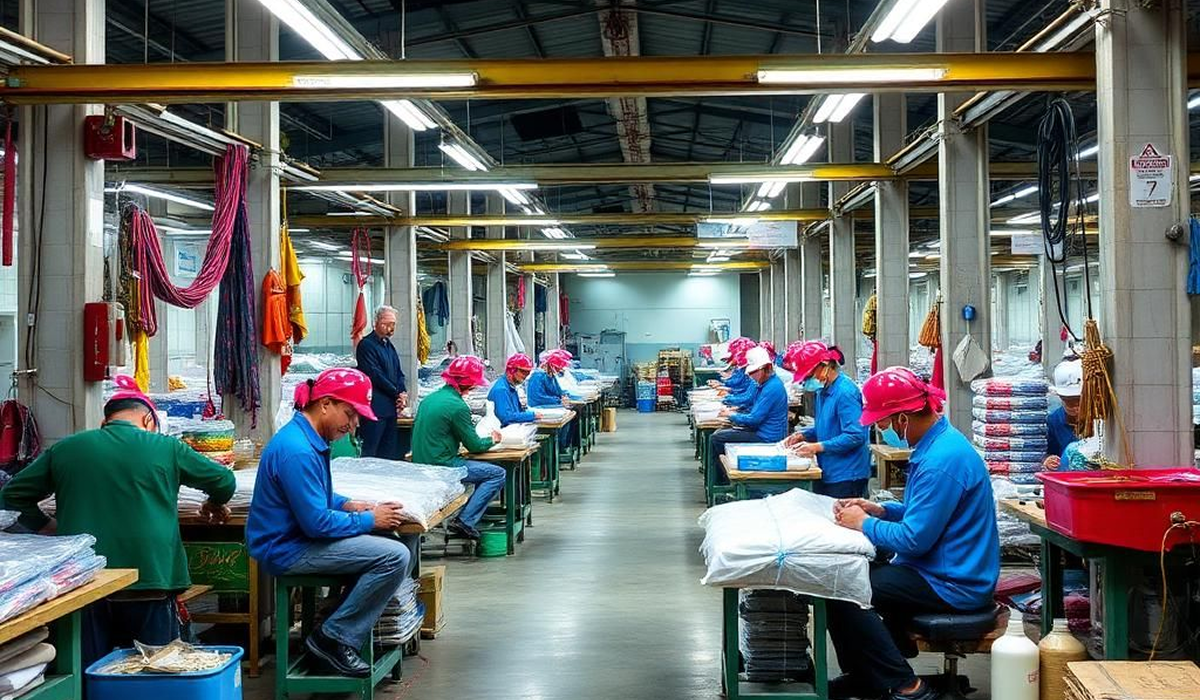
One of the key drivers of Vietnam’s manufacturing boom is the influx of foreign direct investment (FDI). Global giants such as Samsung, Intel, LG, and Foxconn have poured billions of dollars into building factories across major industrial zones in Vietnam.
Low labor costs help businesses reduce operating expenses, especially in key sectors like textiles, footwear, electronics, and food processing — all of which play a significant role in Vietnam’s export structure.
Rise of the Semiconductor and High-Tech Sectors
As global supply chains shift, Vietnam is laying the groundwork for its semiconductor and electronic components industries. The government has introduced favorable policies to attract high-tech projects, particularly in high-tech parks located in Ho Chi Minh City, Hanoi, and Da Nang.
Vietnam's manufacturing sector is no longer limited to basic assembly or low-end production. It is moving toward value-added manufacturing, automation, and Industry 4.0 applications.
Export-Oriented Growth and Global Integration
Vietnam’s manufacturing industry follows an export-oriented growth strategy. Thanks to multiple free trade agreements like CPTPP, EVFTA, and RCEP, Vietnamese goods can now access more than 50 major markets with preferential tariffs.
Key export products include:
- Apparel and footwear
- Electronics and mobile phones
- Seafood, coffee, and rice
Meanwhile, key imported products include:
- Machinery, equipment, and components
- Raw materials for production (e.g., fabrics, leather, plastic, steel)
- Petrochemical products
Current Challenges
Despite its rapid expansion, the manufacturing industry in Vietnam faces several challenges:
- Shortage of Skilled Labor: Many companies struggle to recruit workers with advanced skills, particularly in sectors requiring technical expertise.
- Volatile PMI Index: The Purchasing Managers' Index (PMI) occasionally falls below the threshold of 50, reflecting fluctuations in market demand and order volumes.
- Heavy Dependence on Imports: A significant portion of production materials still needs to be imported, increasing risks amid global market disruptions.
Promising Outlook
Vietnam’s manufacturing industry is well-positioned for sustainable growth, supported by the following factors:
- Sustainable Expansion: Vietnam’s low production costs, improved infrastructure, and stable policies offer long-term investment advantages.
- Development of High-Tech Industries: The country is prioritizing investment in advanced sectors such as semiconductors, robotics, medical equipment, and renewable energy.
- Strengthening Domestic Supply Chains: Government policies aim to boost local supporting industries to reduce reliance on imported materials and stabilize supply chains.
- Workforce Development and Technology Advancement: Vietnam is focusing on vocational training and industry-academia cooperation to improve workforce quality and competitiveness.
- Diversifying the Economic Structure: With the rising proportion of high-tech industries and services, Vietnam's industrial landscape is expected to become more modern and diversified.