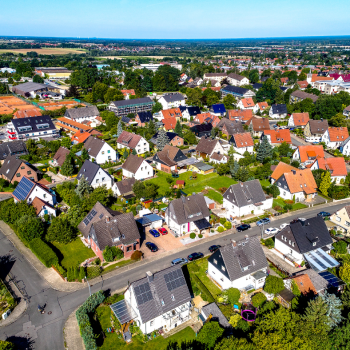


What is EB-3? Learn about the requirements, costs, and process of obtaining U.S. permanent residency through the EB-3 visa. Key insights you need before starting your EB-3 application.
What is EB-3 and Why Is It Gaining More Attention?
In recent years, the question “What is EB-3?” has become increasingly common, especially among individuals seeking a clear and lawful pathway to immigrate to the United States. Unlike programs that require high qualifications or substantial financial investment, the EB-3 visa category offers opportunities to a broader range of applicants, from unskilled workers to skilled professionals.
So, what exactly is EB-3? It is an employment-based immigration program that allows foreign workers to work legally in the U.S. and provides an opportunity to obtain a Green Card for themselves and their family members. For this reason, EB-3 is considered one of the most practical and sustainable immigration pathways available today.
Categories Under the EB-3 Program
To better understand EB-3, it is important to know that the program consists of three main categories:
EB-3 Unskilled Workers
This is the most common category for Vietnamese applicants.
- No advanced degree required
- No high level of English required
- Common jobs: supermarkets, factories
For example, many EB-3 positions are currently available in Indiana, where the cost of living is reasonable and the environment is stable.
EB-3 Skilled Workers
This category is for individuals with relevant skills or work experience.
- Requires work experience
- May require certifications
A notable example is automotive technicians in Georgia, where the automotive industry is highly developed.
EB-3 Professionals
This category is for applicants holding at least a bachelor’s degree (less common in the Vietnamese market).
EB-3 Requirements
When exploring EB-3, eligibility criteria are a key consideration.
Typically, applicants must:
- Be between 18–50 years old
- Be in good health
- Have no criminal record
- Be willing to commit to long-term employment
The most important factor is not academic qualifications, but job suitability and overall profile consistency.
EB-3 Process: Clear but Not Fast
A common misconception about EB-3 is that it is a fast-track program.
In reality, the EB-3 process includes multiple steps:
- U.S. employer sponsorship
- Labor Certification (PERM)
- Filing Form I-140
- Waiting for Visa Bulletin availability
- Interview and visa issuance
EB-3 is not fast, but it is transparent and follows a clear pathway.
EB-3 Costs and Important Considerations
Many applicants are concerned about costs when researching EB-3.
However:
- There is no fixed cost
- Costs vary depending on each case
- Transparency is the most critical factor
The biggest mistake is choosing a service provider based solely on low cost rather than the quality and integrity of the application.
The Reality of EB-3: What Not Everyone Tells You
After understanding EB-3, it is important to recognize several key facts:
- EB-3 is a long-term journey
It may take several years to complete. - Your profile must be consistent from the beginning
Mistakes early on can lead to risks later. - EB-3 is not suitable for everyone
Choosing the right pathway is essential.
TGA’s Perspective: EB-3 as a Long-Term Strategy
At Total Global Agency, we view EB-3 not as a “fast service,” but as a long-term strategy.
This means:
- Building a strong profile from the start
- Working directly with U.S. employers
- Monitoring and controlling every stage of the process
EB-3 is not about speed — it is about doing it correctly.
Conclusion: Is EB-3 Right for You?
After understanding EB-3, you can ask yourself:
- Are you prepared for a long-term process?
- Are you seeking a lawful and stable path to U.S. residency?
- Do you want a clear and structured immigration pathway?
If the answer is “yes,” EB-3 is a worthwhile option to consider.