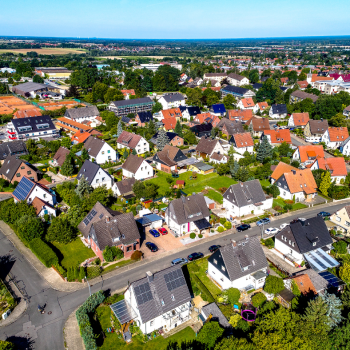


For many EB-3 workers arriving in the U.S., housing is one of the most immediate concerns. A common question is whether it is better to rent or buy a home in Indiana. While Indiana is known for relatively affordable housing, the decision depends on financial readiness, job stability, and long-term plans.
This article provides a practical overview of Indiana’s housing market and explains the considerations behind renting versus buying.
Overview of Indiana’s housing market
Indiana is widely regarded as a state with moderate housing costs compared to coastal states. This affordability attracts both domestic and international workers, particularly in manufacturing and logistics sectors.
However, affordability should always be evaluated relative to income, household size, and adjustment period after arrival.
Renting in Indiana: practical considerations
Renting is the most common option for newcomers. Rental prices vary by location, proximity to work, and housing type. Urban and employment-centered areas tend to have higher rents, while suburban or rural areas offer lower prices with longer commutes.
The main advantage of renting is flexibility. It allows workers to adapt, explore neighborhoods, and adjust housing choices as they become familiar with local conditions.
Buying a home in Indiana
Indiana’s home prices are considered accessible, which leads some newcomers to consider buying early. However, purchasing a home involves more than the sale price.
Buyers must account for:
- Down payments
- Property taxes
- Home insurance
- Maintenance and repair costs
Buying also implies long-term commitment, which may not be ideal for workers still evaluating job stability or location preferences.
Choosing based on life stage
For newly arrived workers, renting often provides a lower-risk way to settle in. It reduces financial pressure and allows time to build credit history and understand the local housing market.
Buying becomes a more realistic option after achieving stable employment, consistent income, and clarity about long-term residence.
Practical perspective for Vietnamese workers
Renting during the first few years is common among immigrants and should not be seen as a lack of progress. The U.S. housing system operates differently from Vietnam, and gradual adjustment is often the most sustainable approach.
Conclusion
Both renting and buying have advantages in Indiana. For EB-3 workers, renting is typically the practical starting point, while buying may be considered later once stability and long-term plans are established.
Understanding these options helps workers make informed housing decisions aligned with their real circumstances.