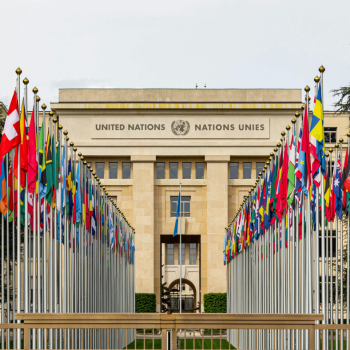


On January 7, U.S. President Donald Trump signed an order withdrawing the United States from 66 international organizations, agencies, and committees. According to the White House, the U.S. will end its participation and funding for 35 non–United Nations bodies and 31 UN agencies, which are said to no longer serve American interests.
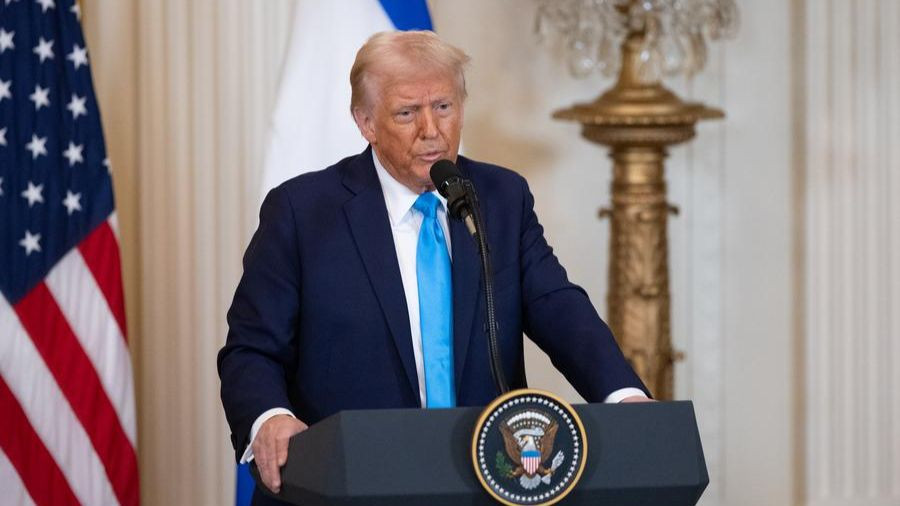
The White House stated that the decision followed a comprehensive review of international organizations, treaties, and conventions in which the U.S. is currently involved. The move aims to reduce budgetary waste, eliminate overlapping functions, and refocus national resources on domestic priorities under the “America First” agenda.
The U.S. Department of State argued that many of the organizations being exited suffer from inefficient management, ineffective operations, or influence that runs counter to U.S. sovereignty and prosperity. Many of these organizations are active in areas such as climate policy, labor, and social issues.
Since the start of Trump’s second term in January 2025, the U.S. has significantly scaled back its engagement with multilateral institutions. These steps include withdrawing from the UN Human Rights Council, ending funding for UNRWA, leaving UNESCO, and announcing plans to exit the World Health Organization and the Paris Climate Agreement.
The withdrawal from 66 international organizations underscores a continued shift in U.S. foreign policy toward limiting multilateral commitments and prioritizing national interests. While the immediate effects are largely diplomatic, the long-term implications could reshape how the United States engages in global cooperation across economic, social, and humanitarian fields.